
Free on-site gate assessment - hinges, posts, and your LiftMaster or Nice gate operator checked before anything is quoted
The assessment is free and the quote is the invoice.
 Before
 After
After Before
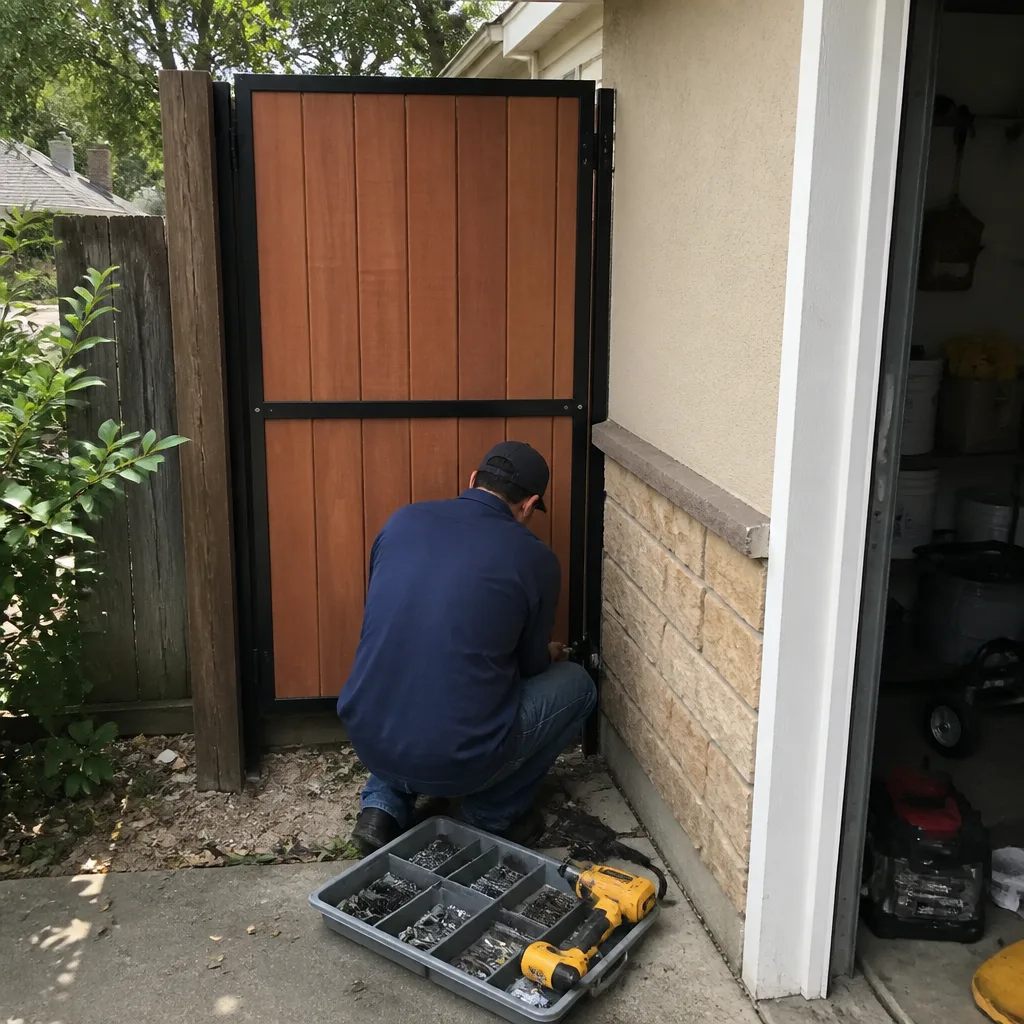 After
After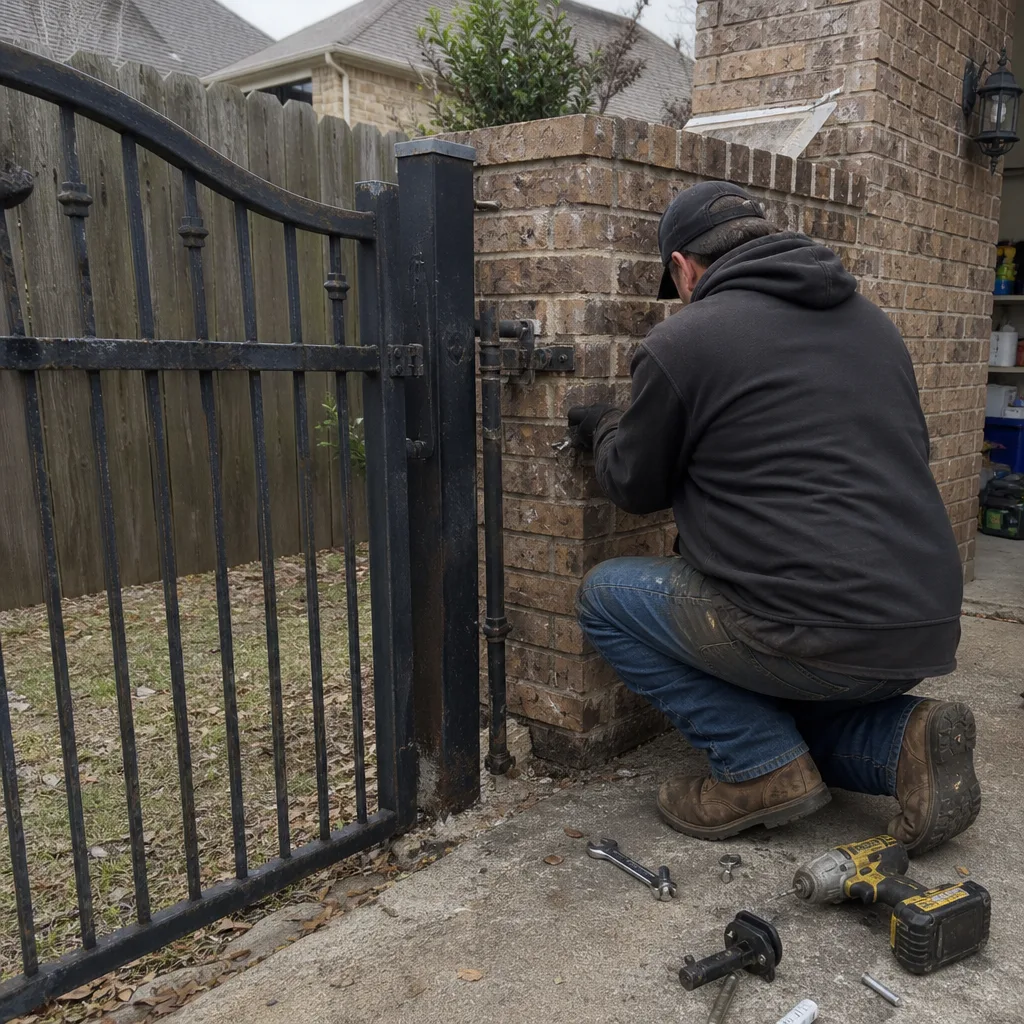 Before
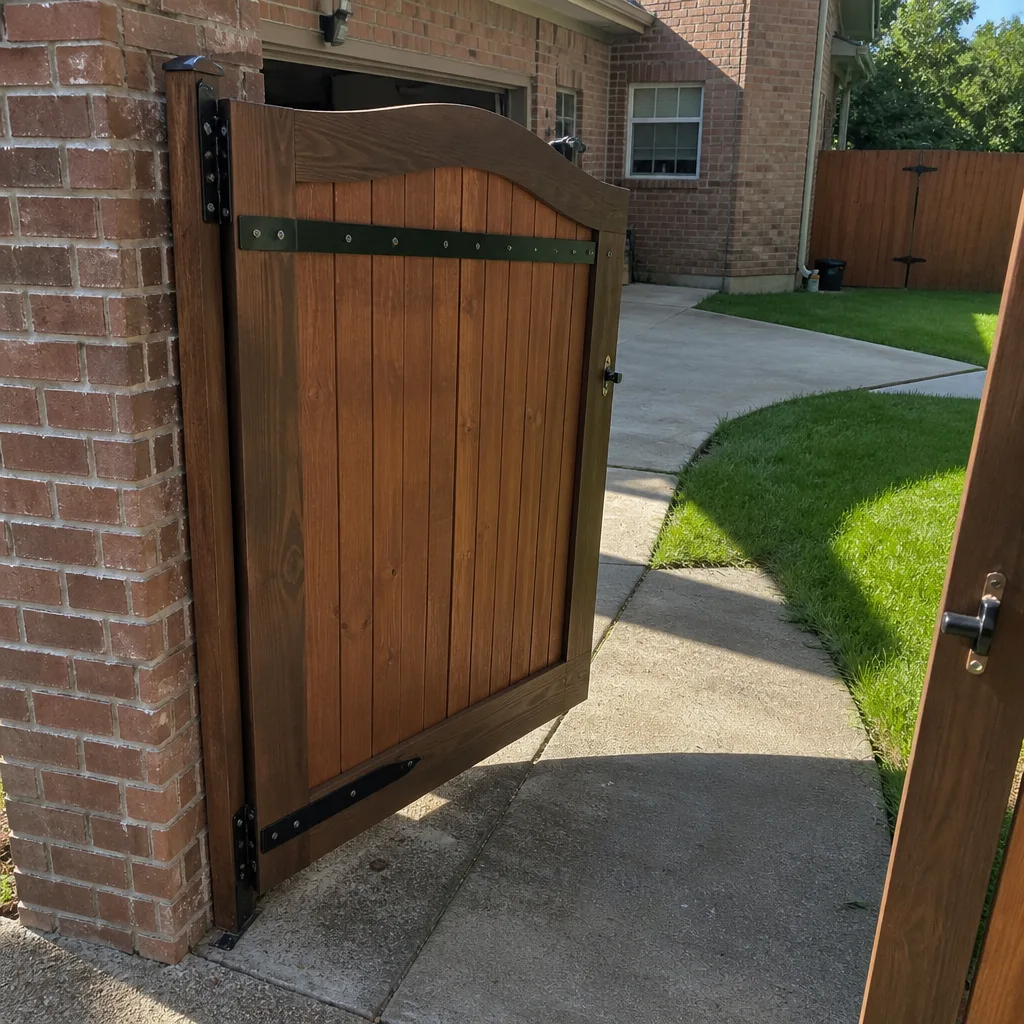 After
AfterLinear Gate Motor Replacement: The Murphy Owner’s Guide
We stock and install Linear-compatible gate motors for Murphy homes, with most replacements running between $650 and $1,450 installed depending on the motor class, your gate’s weight, and whether the arm bracket and receiver board are still intact. In most cases, we can complete the swap the same day because our trucks carry Linear OEM and quality aftermarket equivalents for the common APeX, LDO, and MegaCode series. The usual discovery goes like this: the gate starts moving slower than it used to, the lights flicker during operation, and one morning it simply hums without opening.
The motor assembly isn’t one part, it’s a matched set of motor, gear train, control board, transformer, and limit switches all mounted inside the operator housing. When one component fails, Murphy homeowners often replace the entire assembly to avoid chasing failures part by part, especially with a Linear unit that’s been soaking up Texas heat for eight or more summers. The good news on the Linear side is that the motor itself is robust; what usually fails first is the capacitor (slow start, low torque) or the limit switches (gate stops mid-travel or doesn’t stop where it should).
Before we quote anything, we read the data plate so nobody guesses wrong. Name what you found, name what it costs, name what you left behind.
Which Linear Models This Applies To
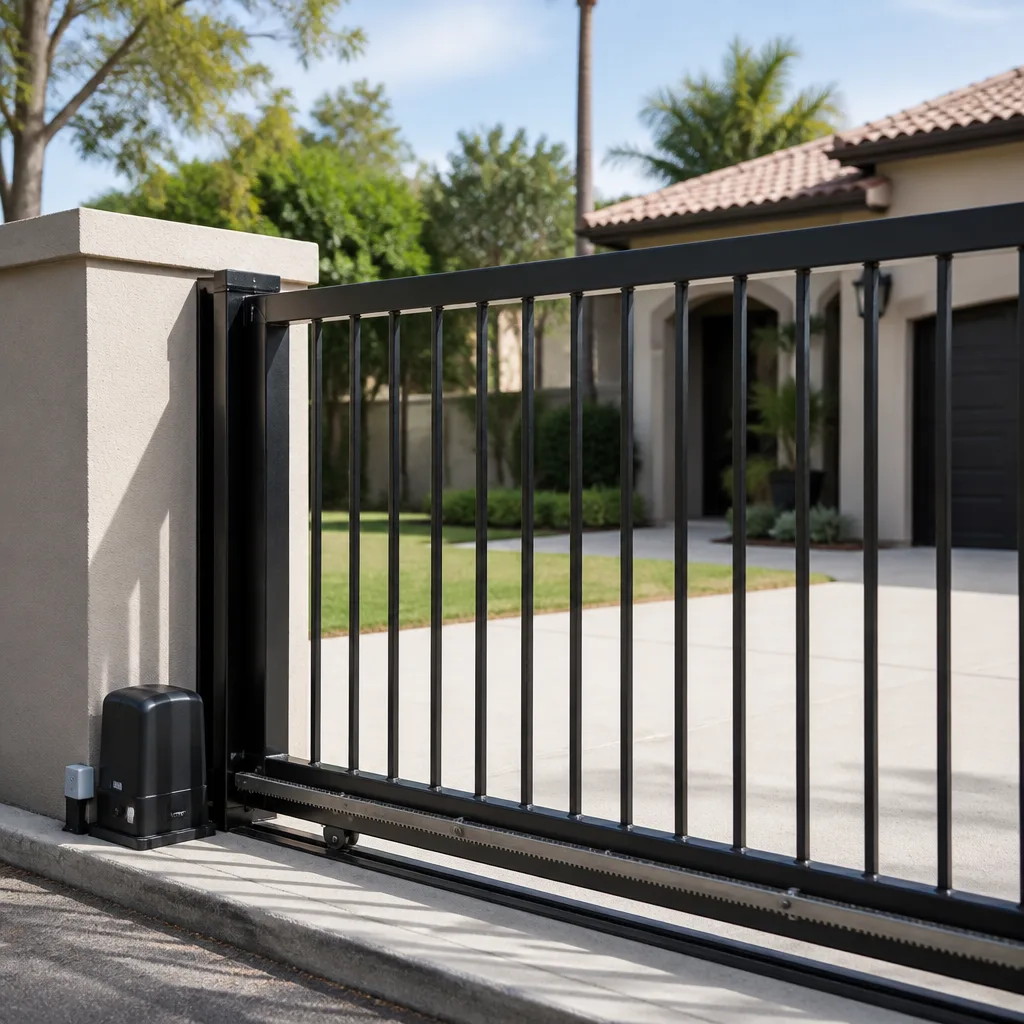
Linear gate operators fall into a few families that cover most residential installs in the DFW suburbs, and the motor replacement path differs by family. The APeX series (AP-5, APeX-5, and the older 1600-series) is still the most common swing-gate operator we see in Murphy and nearby communities. The LDO series (LDO50, LDO33) runs slide gates. The MegaCode and ProAccess lines are the newer controller platforms but the motor internals share the same 24V DC architecture as their predecessors. If you’ve got a swing gate, you’re likely looking at an APeX or a ProAccess unit. If the gate slides on a track, you’re in LDO territory.
Whatever the label says, we read the data plate before we order or stock anything. It’s typically mounted on the inside of the control board cover and lists the model number, serial, voltage, and motor torque class. One compatibility gotcha worth noting: the APeX-5 and the older 1600-series look similar and share some motor internals, but the control board and limit switch assemblies are not interchangeable across the two. We’ve seen more than one homeowner order a used 1600 motor online only to find the wiring harness won’t marry to their APeX-5 board. Spending $150 on the wrong used part usually turns into $800 installing the right one.
When we replace the motor, we default to new Linear OEM parts where available, and name-brand aftermarket motor assemblies where the OEM has been discontinued. The difference matters less than most suppliers want you to believe: the aftermarket equivalents from HySecurity and All-O-Matic use the same frame dimensions and torque ratings, and they’re often easier to source quickly in the DFW market. The one part we never substitute is the transformer, because the motor’s duty cycle depends on matching the transformer output to the board’s load demands. When the transformer runs hot, the motor runs weak.
Our trucks carry the most common Linear motor assemblies and motor-start capacitors for same-day work in Murphy. We’re an independent service provider, not affiliated with Linear, so we’re free to tell you when a part is worth buying OEM and when an aftermarket equivalent is the smarter money.
Signs Your Linear Gate Motor Replacement Is Failing
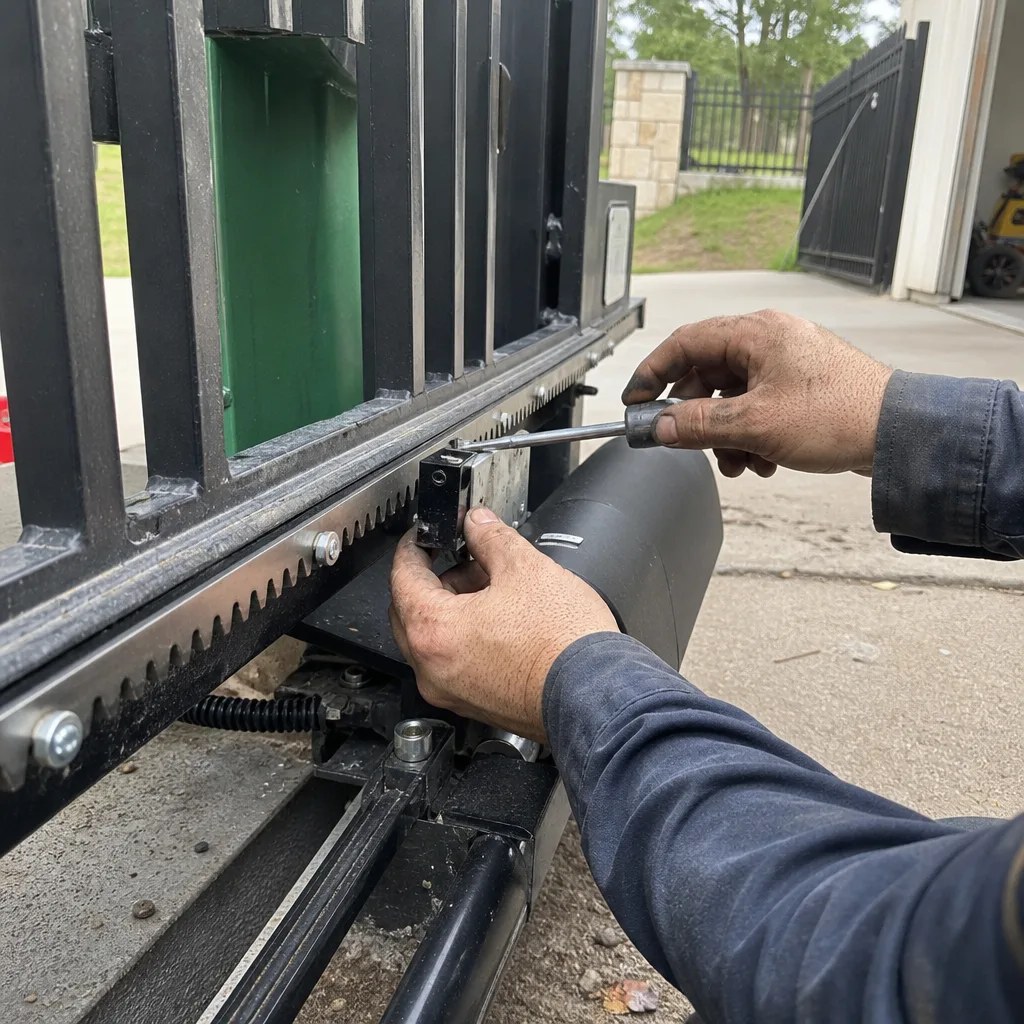
- The gate hums but doesn’t move. The operator is drawing power but the motor isn’t turning. On Linear units, this is most often the start capacitor, which loses its charge after years of heat cycling in the Texas sun. The motor is usually recoverable, but the capacitor is a wear item.
- The gate opens slower than it used to, or struggles on the last six inches of travel. On a swing gate, that last portion of the arc requires the most torque because the arm’s leverage ratio changes. When the motor’s torque output drops, the gate stalls at the end of travel, and the board’s force-sensing logic reverses it, leaving the gate half-open.
- The gate stops mid-way and reverses, or keeps running after the gate is closed. Limit switches inside the operator tell the motor when to stop. When they drift or fail, the gate doesn’t know where it is. We see this frequently on older Murphy Linear units where the limit cams have worn flat spots from years of micro-adjustments.
- You hear a grinding or chattering noise during travel. That’s usually the gear train binding, often caused by a motor bearing that’s worn to the point of allowing shaft play. By the time you hear it, the motor has been working against excess friction for months, which is exactly what shortens its lifespan.
- The gate opens fine but won’t reverse, or the lights dim when it starts moving. Dimming lights point to higher current draw than the motor should need, which is a classic sign of internal winding breakdown. The amplifier board still works, but the motor is pulling double amperage to do the same job.
Any one of these is worth a look before the failure strands your car in the driveway or, worse, leaves your gate stuck open overnight. Two or more of them together usually mean the motor has already outlived its service life and the question isn’t if it fails, it’s which Tuesday it picks.
BeforeAfterReplacement Cost & What’s Included
For Murphy homes, a Linear gate motor replacement runs between $650 and $1,450 installed. The spread isn’t vague pricing, it’s driven by three measurable things: the motor class (single-family swing operators fall at the low end, heavier slide or dual-motor setups run higher), whether the arm bracket and receiver board are reusable, and whether we’re pulling a single motor or doing a matched motor plus capacitor and transformer set. You get the line item breakdown in the written quote before we touch a screwdriver.
| Scope | Typical Installed Range |
|---|---|
| Linear APeX motor only, swing gate, existing bracket intact | $650 - $850 |
| Linear LDO slide-gate motor, existing rack intact | $800 - $1,100 |
| Motor + capacitor + limit switch set, heavy swing gate | $900 - $1,250 |
| Full operator assembly (motor, board, transformer, housing) | $1,200 - $1,450 |
Every quote includes the part cost, the labor, and the old part returned to you after the job. The written price is the price; nothing is added at the end. The work is covered by our 365-Day Done Right Promise. Under Haven Standard Clause 4, you also get a photo log of what we found, what we set, and what we installed.
For most standard Linear motor replacements, the work is finished and the gate is running the same day the quote is accepted.
DIY or Call Us?
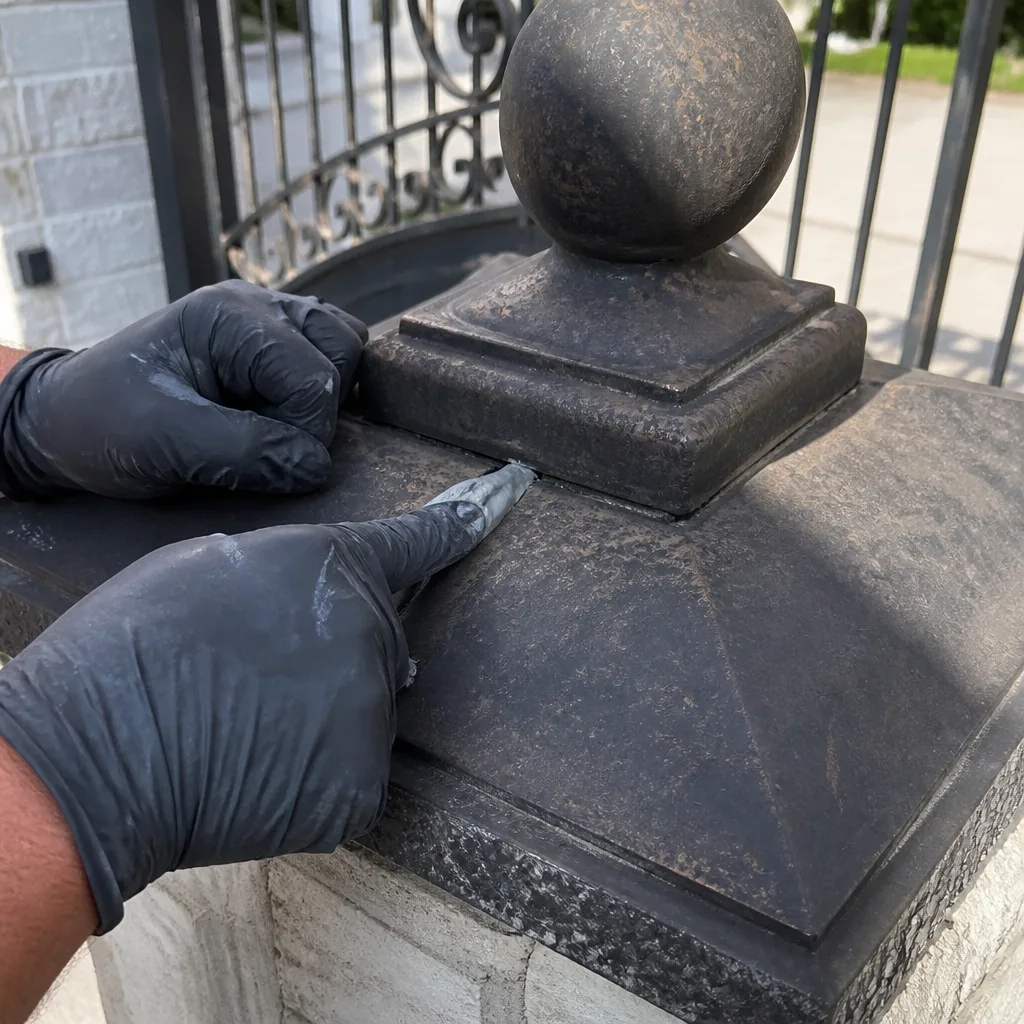
Here’s the honest version. A Linear gate operator runs on 120V AC feeding a step-down transformer, with 24V DC running through the control board and motor. If you’ve got a multimeter and basic electrical experience, you can check two things safely: that the breaker feeding the operator is on and not tripped, and that the receiver board shows a steady green LED, meaning it’s getting power. If the LED is flashing or lit red, the fault is inside the control logic, not the power feed. At that point, the safe move is to stop.
The motor, the capacitor, and the transformer all carry stored energy or live line voltage. The capacitor can hold a charge long after the breaker is off, and it will remind you of that fact in a way that ruins your afternoon. The motor assembly itself sits inside a housing that needs to be disassembled in the right sequence, and the limit switches require setting to within a few degrees of travel. Get the limit switch off by a quarter-inch and the gate will over-travel and either knock itself out of alignment or strip the gear teeth over the next few months. Those are the calls we get two weeks after a homeowner “fixed” the gate themselves and now it’s worse.
If the gate is dead, the motor smells hot, or it’s making a new noise it didn’t make last week, call (469) 613-2832. We’ll show up, read the data plate, and put the price in your hand before any work begins.
FAQs
A Linear gate motor in DFW lasts 8 to 12 years on average, but extreme summer heat can knock that down to 6 on unshaded west-facing installs, which are common along Murphy Road and in the Cobblestone Farms neighborhood. Capacitors often fail first, around year five to seven, before the motor windings go.
Sometimes. If the issue is a failed capacitor, worn limit switches, or a binding gear train, we can often repair the motor assembly and keep the core motor in service. If the windings are fried, the motor is done and you’ll spend more trying to salvage it than replacing it. Either way, the quote we hand you says the truth: repair or replace, priced in writing.
A standard single-motor Linear replacement on a residential swing gate takes about two to three hours from driveway arrival to final limit-switch setting and photo log. If the bracket and board are reusable, we’re usually done before lunch.
Our trucks carry the most common Linear motor assemblies, start capacitors, and limit switch sets for same-day service in Murphy. If your specific model is a discontinued or odd-class unit, we source it same-day from local supply, and the quote tells you exactly which scenario applies before any work starts. Call (469) 613-2832 with the model number from your data plate and we’ll tell you what we’ve got on the truck right now.
Ready to get the gate swinging again? Call (469) 613-2832 for a free, written estimate on Linear gate motor replacement in Murphy. Adrian Vance and the team will read your data plate, name the price, and leave you with a photo record of every part we installed.
Written by Adrian Vance, Owner, Vance Gate Repair Murphy at Vance Gate Repair Murphy, serving Murphy and nearby areas.